
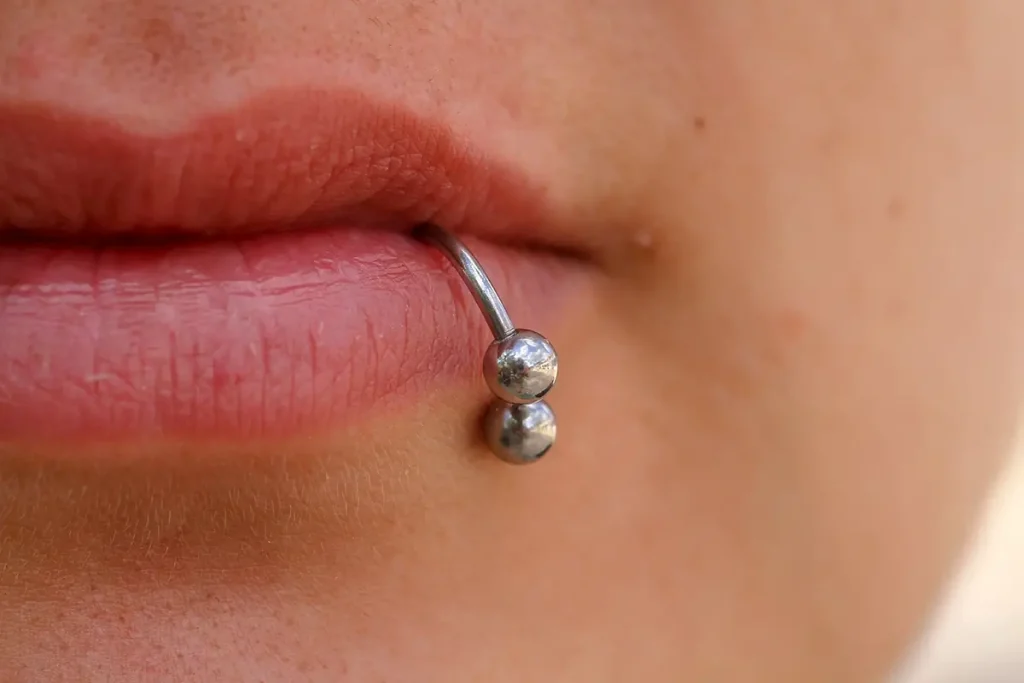
A new piercing is an exciting choice that can elevate your look and boost your confidence. The most important part of piercing is not the appointment itself; it’s the aftercare. Proper aftercare is the key to a successful piercing. If the piercing heals incorrectly or gets infected, your final product may look strange, or your body may reject it. Correct and healthy healing can make your piercing look amazing long-term. Because of this, healing takes time and a little patience.
At Utopia Salon, your piercing care doesn’t stop when you walk out the door. It is important to remember that a piercing is essentially a small puncture wound with jewelry holding the wound open. This requires proper care and healing. When your ear or another body part is pierced, you must pay close attention to the healing process.
The Basics of Piercing Aftercare
After your body piercing appointment, aftercare is simple. The biggest factors in healing are #1. Keep it clean, and #2. Leave it alone. Your biggest goal is to keep bacteria from entering your new piercing to create the best possible healing environment.
This means keeping both the jewelry and the surrounding skin clean. Some of the most effective cleaning methods are as follows:
- Washing gently with liquid soap and water
- Doing saltwater soaks
- Using sterile saline or antimicrobial piercing aftercare sprays
When your piercing is fresh, you should clean it twice a day using one of these methods. Everyone’s body deals with piercings differently, so one method may work well for you, but won’t work for someone else. The key is patience and cleanliness. Cleaning your piercing more than twice a day will not shorten the cleaning process; it can cause irritation. Begin with twice a day, one cleaning in the morning and one cleaning at night. As you begin to heal, you can slowly reduce the number of cleanings to once a day.
One of the most important habits to remember is to ensure your hands are clean before touching your jewelry and the surrounding skin. Having dirty, bacteria-ridden hands will irritate your wound and can cause infections or irritation.
A very important habit to avoid is playing with jewelry. Do not spin, twist, or pull on the jewelry while the piercing is still healing. This can irritate the tissue and greatly slow the healing process.
How Long Do Piercings Take to Heal?
The timeline for healing can vary depending on the type of piercing and the individual. Some people’s bodies handle piercings very well, and others react more severely. However, generally, piercings take about two months to heal initially and up to a year to heal completely.
During the first few months, make sure to keep up with cleaning and disinfecting your piercing. Even when your piercing seems healed after a few weeks, it is very important to remember that the internal tissue is still healing. The surface-level tissue heals quite quickly, but the internal tissue takes a few extra months to heal. This means you should avoid changing your jewelry too soon. It is safe to wait close to a year before changing the jewelry.
Your piercing professional will always provide specific instructions and aftercare suggestions based on the type and location of your piercing.
What is Normal About the Healing Process?
When a piercing is new, many people think everything that happens is a sign of infection or rejection. This is a natural response, but most of the time, these symptoms are not something to worry about. There are many piercing myths, so educating yourself on the facts is very important.
Since piercings are technically a wound, the body responds in the same way it would to other minor injuries.
Common healing symptoms:
- Swelling around the piercing
- Clear or white drainage
- Crust forming around the jewelry
- Pink or red coloration around the wound
- Minor soreness or tenderness
- Small amounts of bleeding when the piercing is new or accidentally irritated
These symptoms usually lessen as healing progresses. If the area is kept clean and irritation is minimized, most piercings will heal without issue.
Piercing Bumps
It is common for cartilage piercings to develop small bumps during the healing process. This is very common in ear cartilage and nose piercings.
There are a few different types of bumps:
- Granulomas
- Hypertrophic scarring
- Keloids
While the names may sound concerning, many of these bumps are temporary and will go away on their own as the piercing heals.
In some cases, the bump may be caused by irritation from the jewelry itself. If a bump becomes large or doesn’t respond to normal aftercare, switching jewelry styles may help. For example, changing from a ring to a bar (or vice versa) can sometimes reduce pressure and irritation.
This is something you should always discuss with your piercer before making any changes.
Signs of Incorrect Healing
Although some redness and a bit of swelling are normal, certain signs may signal a problem or the start of an infection.
Signs of improper healing:
- Severe or increasing swelling
- Intense pain that doesn’t improve
- Thick yellow or green discharge
- Persistent large bumps that continue growing
- Excessive warmth or redness spreading beyond the piercing
If you notice any of these symptoms begin, it’s best not to ignore them. Early intervention can often prevent more serious complications later.
When Should You Contact Your Piercer?
If you ever feel like your piercing isn’t healing properly, the best thing you can do is reach out to your piercing professional for guidance. Professional piercers can assess what’s happening and recommend adjustments to your aftercare or jewelry if needed.
At Utopia Salon, we’re always happy to answer questions and help make sure your piercing heals safely and comfortably. With proper care, patience, and a little attention to hygiene, most piercings heal beautifully and become a long-lasting part of your personal style. To schedule a piercing appointment or to talk to a professional about aftercare, contact Utopia Salon today. Our professionals are always here to help with piercings at any step of the process.
